Sea of sameness
Without strategic, creative and brave humans at the helm, AI will simply sail with the tide.

Read on to learn why:
① AI adoption isn’t transformative unless your processes are re-thought too.
② Standing out demands strategic reasoning, brand conviction and empathy.
③ Infrastructure you don’t own is infrastructure that can be used against you.
④ AI transformation stalls when CEOs delegate it.
⑤ The press release is far past its sell-by date.
⑥ If you value your health, investment banking isn’t the career for you.
⑦ Media agencies are facing an existential threat.
What's new
I attended a Gartner webinar this week: Trends, Priorities and Actions for CMOs in 2026. It was full of actionable insight.

① In short:
AI adoption isn’t transformative unless processes are re-thought too. “Only 5% of early adopters report significant business gains” from AI, according to Gartner, and “the further CMOs get into AI implementation, the more disillusioned they become with business performance.” The firm’s position is blunt: “CMOs who simply bolt AI onto legacy systems and processes will fail to drive growth; those who use it to reshape the business will lead.”
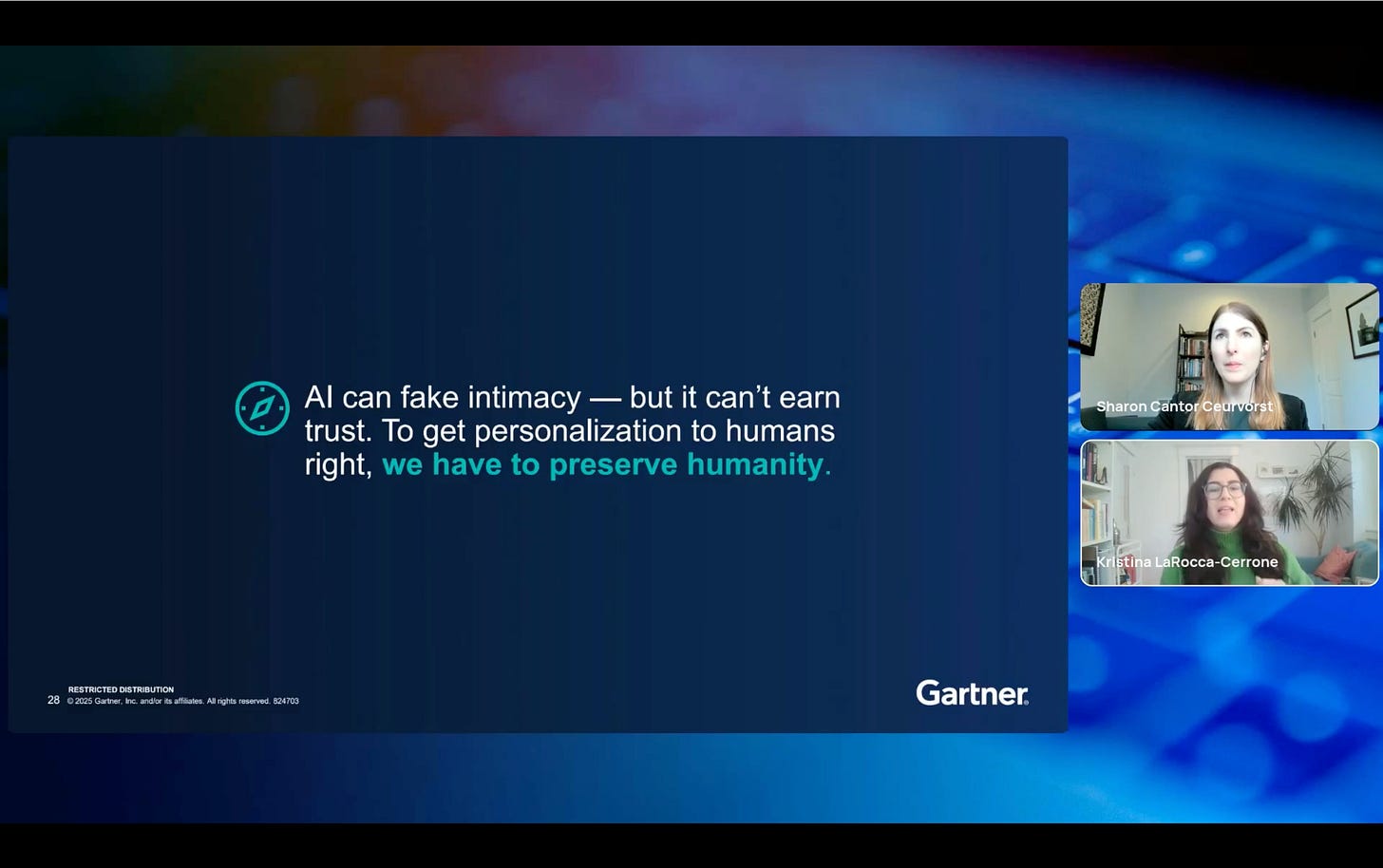
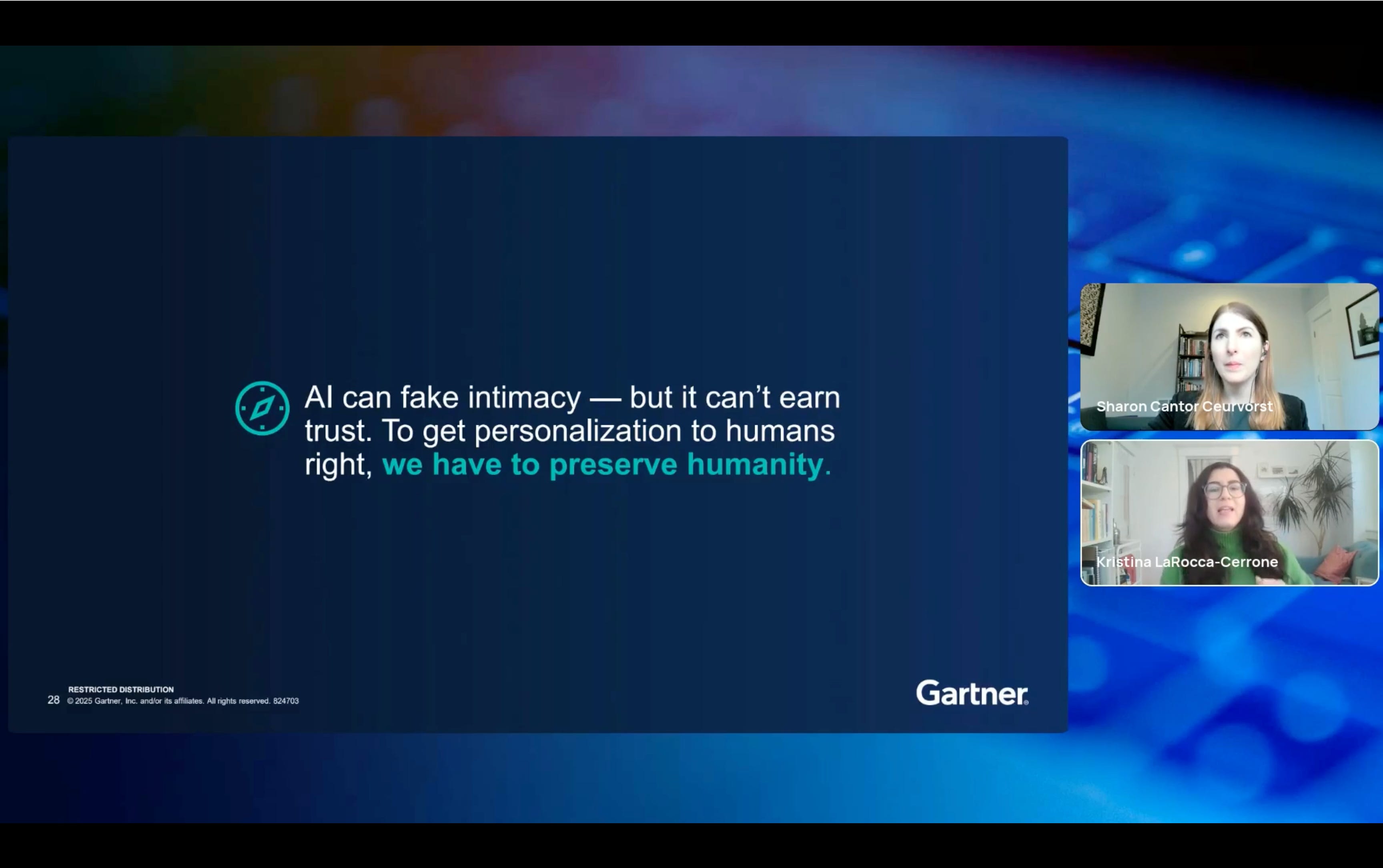
Personalisation is backfiring. A survey of over 1,400 consumers and B2B buyers found that people encountering personalised marketing messages were “2.8x more likely to feel time pressured,” “2x more overwhelmed by information” and “3.2x more likely to regret purchases.” Gartner’s conclusion: “AI can fake intimacy - but it can’t earn trust. To get personalisation to humans right, we have to preserve humanity.”
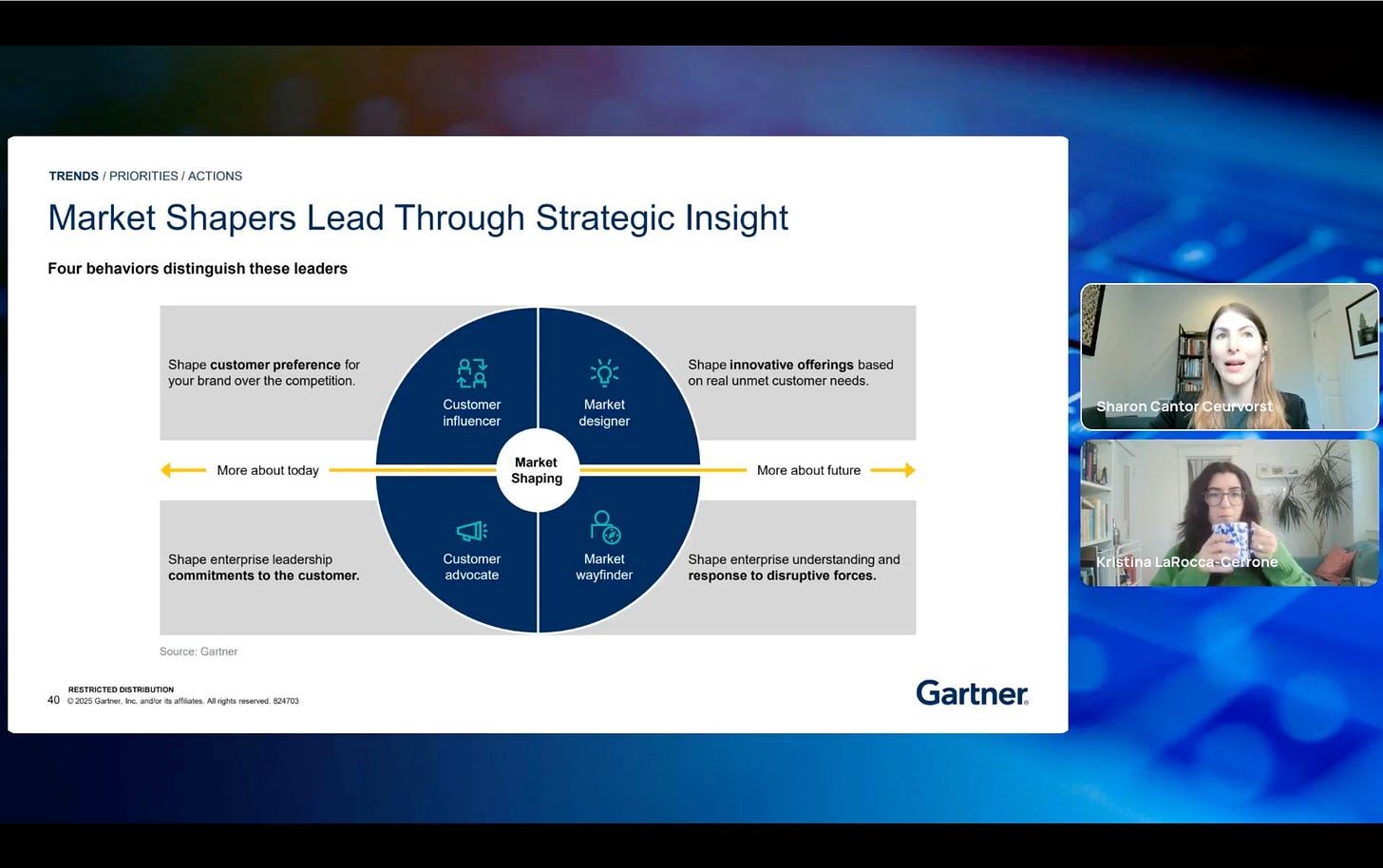
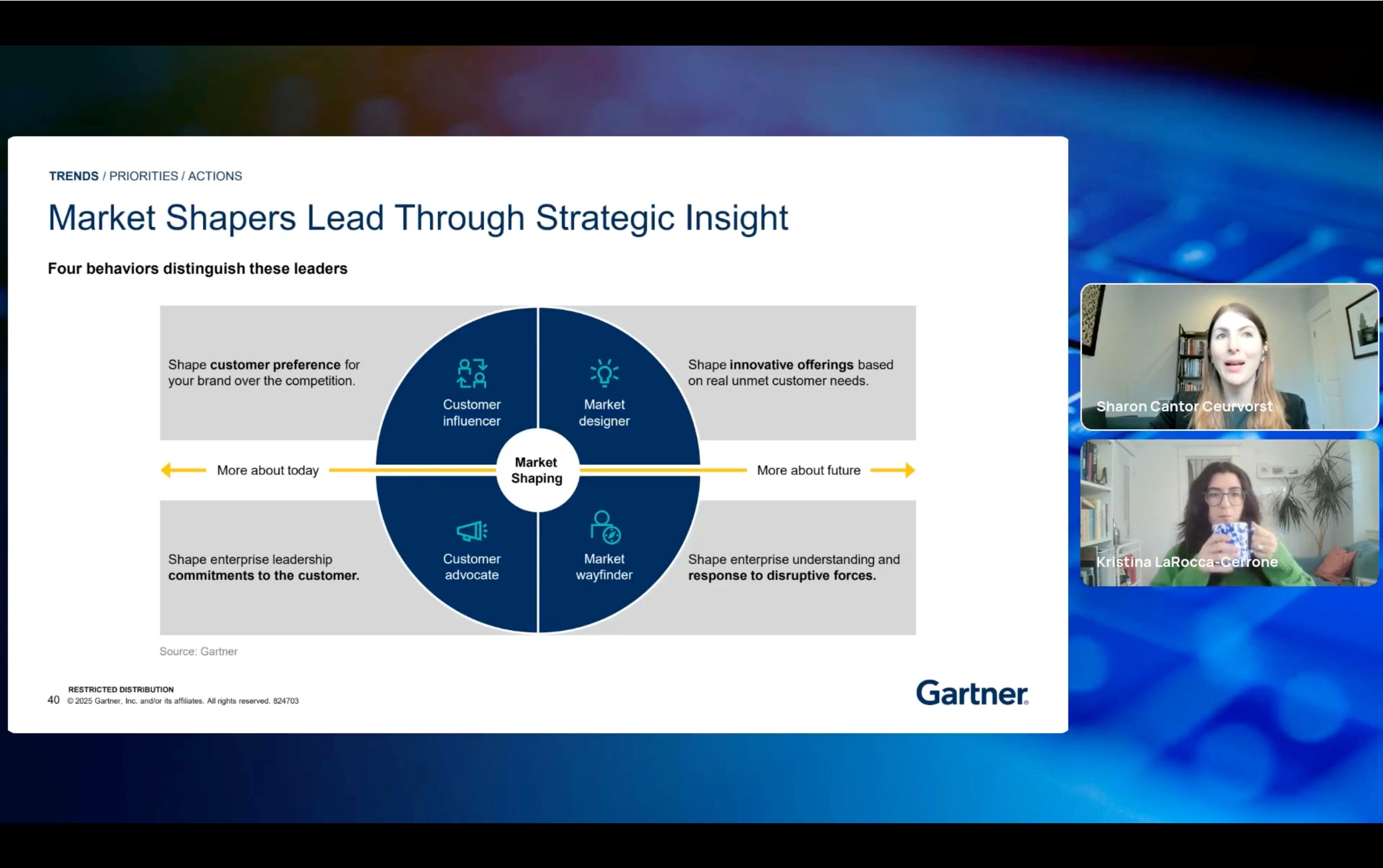
AI is creating a competitive ‘sea of sameness.’ With 62% of marketing leaders already using generative AI extensively for market research, Gartner warns that “same tools + same data + same prompts = similar outputs across competitors.” The antidote, it argues, is human reasoning — and the CMOs who lead through strategic insight rather than operational execution are 8x more likely to exceed CEO expectations than their average peers.”
Why it matters
In last week’s Wildcard section, I featured Mark Ritson who wrote that the marketing job market rewards “breadth, seniority and humanity” and that “the skills AI cannot replicate - judgement, relationships, management, leadership - are built over years and are, for now, irreplaceable.” Gartner’s research arrives at the same conclusion from the opposite direction. It’s not just individual careers that need to double down on human qualities; entire marketing functions do.
② The firms that will win are those that treat AI as infrastructure — essential but not, on their own, differentiating — and invest their leadership energy in the strategic reasoning, brand conviction and customer empathy that no competitor can replicate by prompting the same model.
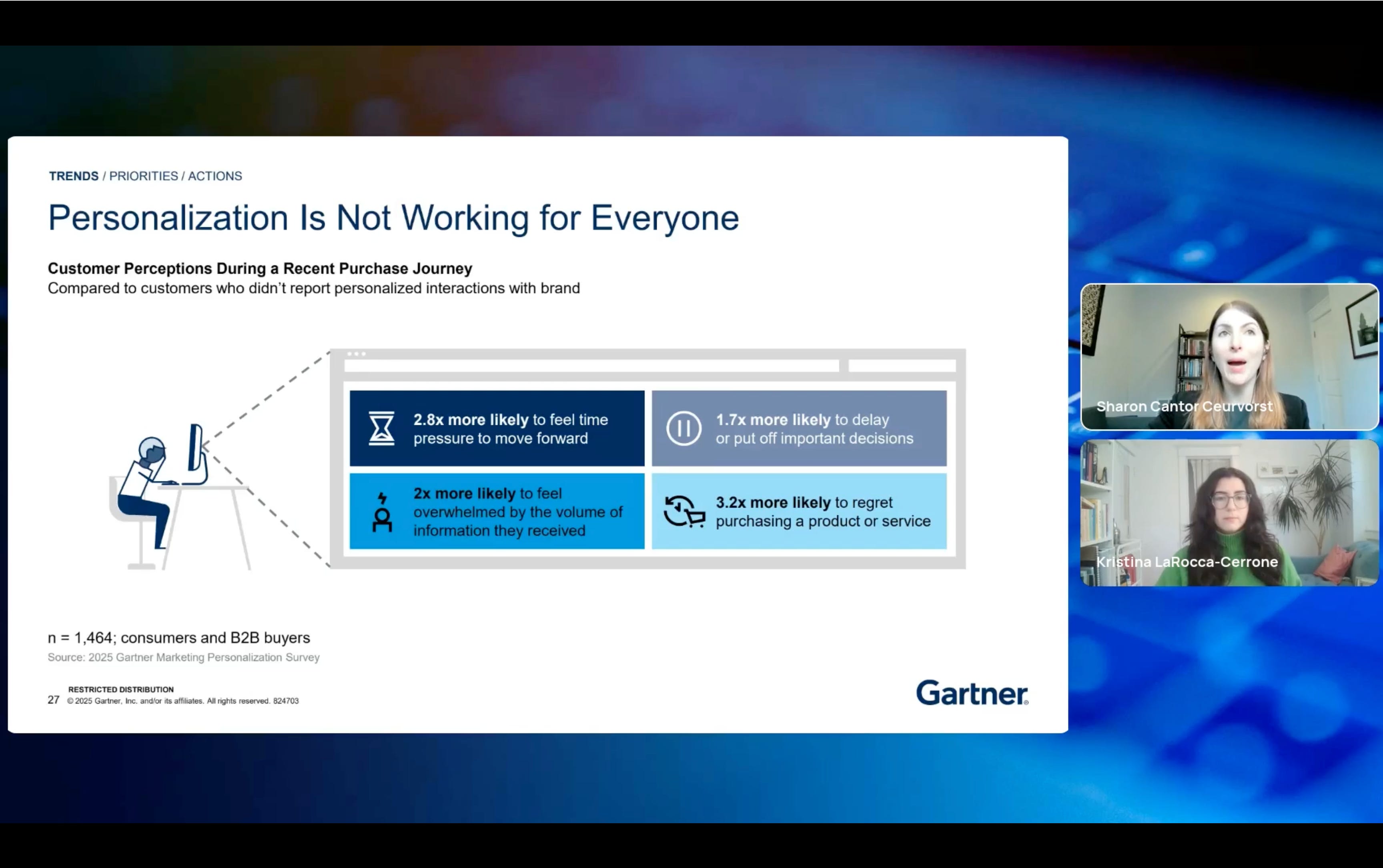
The personalisation data should give every financial services marketer pause. Our sector has spent the last decade chasing ever-greater personalisation as if it were an unqualified good, from tailored portfolio reports to hyper-targeted digital campaigns. Gartner’s research suggests that beyond a certain threshold, personalisation doesn’t deepen trust - it erodes it, making clients feel pressured and more likely to regret their decisions. For wealth managers, insurers and fintechs selling considered, high-stakes products, this is particularly dangerous. The implication is that the scarce human touch points in an increasingly AI-mediated journey - the adviser call, the relationship manager meeting, the face-to-face review - matter more than ever and should be designed to create emotional connection, not to deliver yet another data-driven nudge.
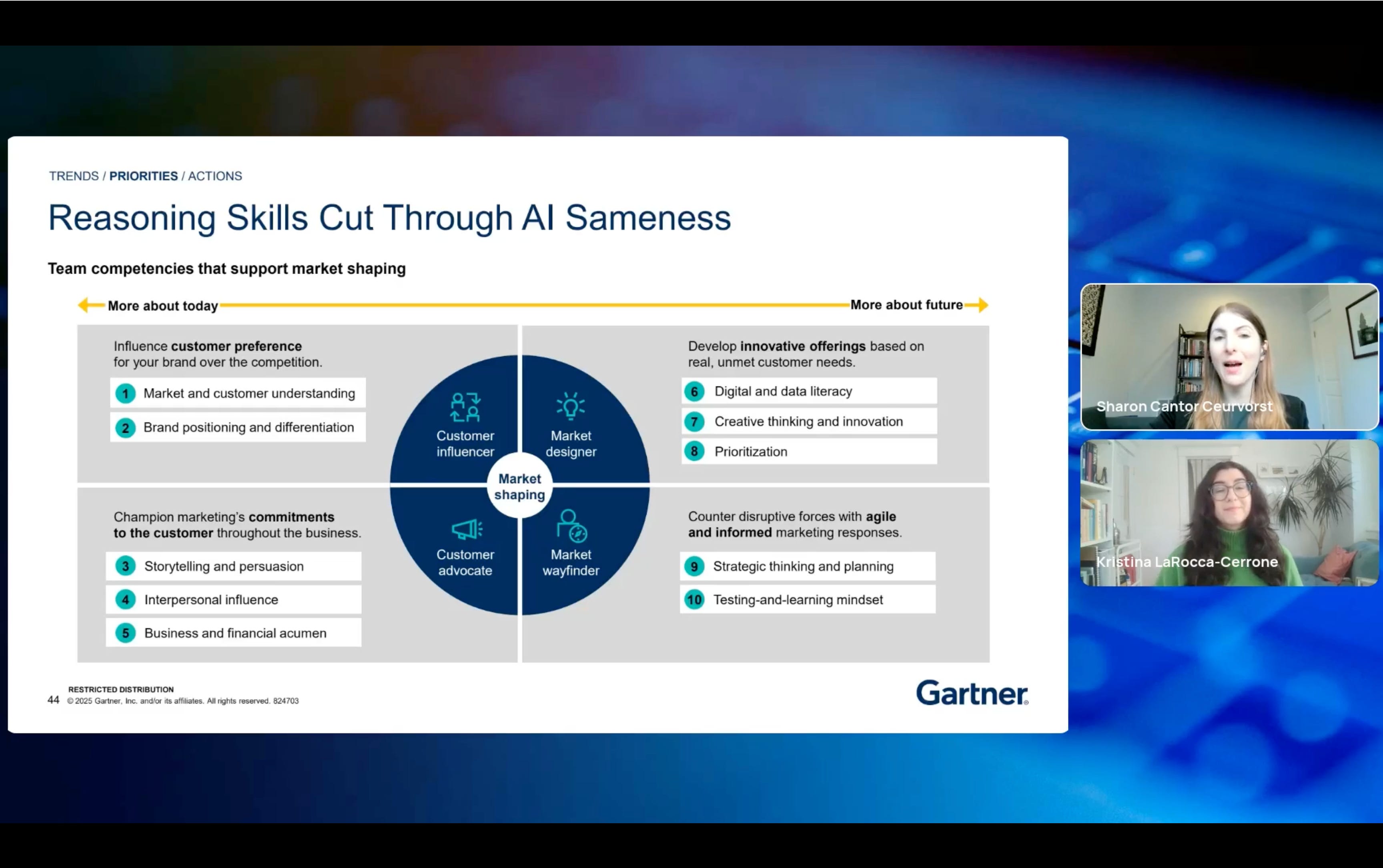
Finally, Gartner’s warning about the “sea of sameness” is one that should resonate loudly in financial services, a sector already drowning in identikit positioning. If 62% of marketing leaders are using the same AI tools for market research, it follows that the strategies, messaging and creative output those tools produce will converge. As we discussed last summer, the fundamental disciplines of marketing haven’t changed: “the machines are more human than humans.” The firms that pull ahead will be those whose leaders can ask better questions of their AI tools, apply sharper judgement to the outputs and - crucially - have the courage to act on insights that are genuinely distinctive rather than algorithmically safe.
What to do about it
Take action
Here are three ideas to put into practice this week:
Stress-test your personalisation strategy. Ask your team a simple question this week: are we making clients’ decisions easier or harder? If your personalised communications are adding volume without adding clarity, dial them back. In financial services, trust is built through relevance and restraint, not relentless tactics.
Run a “sameness audit” on your last quarter’s marketing output. Take your three most recent campaigns, briefs or thought leadership pieces and feed the same prompts into a generic AI tool. If the output is indistinguishable from what your team produced, you have a differentiation problem that no amount of technology will solve. The fix is human: sharper strategic reasoning, bolder creative choices and the willingness to say something your competitors won’t.
Redesign your customer journey with a dual lens. Map it twice: once for the AI agents that are increasingly mediating how prospects discover you, and once for the humans making the final decision. Optimise the first for structured, educational content that ensures your brand contributes to AI-generated answers. Optimise the second for emotional connection at the moments that matter most.
Get help
Two ways I can help you:
Tackle a specific challenge by retaining me in an advisory capacity or on a fractional basis.
Elevate all your marketing and communications by hiring me as a full-time member of your team.
Top stories
The other articles that are worthy of your time.
FINANCIAL SERVICES
UK bank bosses plan to set up Visa and Mastercard alternative amid Trump fears
③ Infrastructure you don't own is infrastructure that can be used against you.

“UK bank bosses [held] their first meeting to establish a national alternative to Visa and Mastercard, amid growing fears over Donald Trump’s ability to turn off US-owned payment systems. The meeting, chaired by Barclays’ UK chief executive, Vim Maru, [took] place Thursday and [brought] together a group of City funders that will front the costs of a new payments company to keep the UK economy running if problems were to occur.”
“About 95% of UK card transactions are made using payment systems owned by Mastercard and Visa, according to a 2025 report by the UK’s Payment Systems Regulator. That dominance has become far more relevant as cash use across the country continues to decline.”
“[Mastercard and Visa] are part of the new funders group, giving them a stake and a say alongside a large number of banks and payment companies including Santander UK, NatWest, Nationwide, Lloyds Banking Group, the ATM network body Link, and Coventry Building Society. While UK officials have stressed the need for a backup, they have stopped short of calling out US threats as the source of their nervousness.”
TECHNOLOGY
CEOs are putting themselves in charge of AI. Here’s why.
④ AI transformation stalls when CEOs delegate it.

“Outside of the technology sector, techies rarely make it to the CEO seat and chief executives generally leave the details of tech projects to the tech experts and leaders such as chief information officers and chief technology officers.”
“70% of bank CEOs say they are the main decision makers in AI within their organisation. 54% say their job stability depends on them getting AI investments and strategy right. And financial institution CEOs say they spend on average almost seven hours a week expanding their knowledge on AI.”
“Why?
To remove bottlenecks
To reap efficiency and returns
To get everyone on board
To improve client engagement
To make decisions for the company’s future
FOMO and board pressure”
MEDIA & MARKETING
Kill the press release
⑤ The press release is far past its sell-by date.

“Press releases were essential once but haven’t been useful for a long time. […] The media environment has changed in nearly every respect, and then changed again. We were introduced to blogs and Twitter and podcasts and TikTok, and now companies have endless options for distributing their announcements. And yet! Many companies still believe their announcements should be optimised for 20th-century journalists and delivered through a newswire.”
“I’m not saying companies should stop writing long-form announcements and distributing them to journalists. That’s still an important part of shaping the narrative. But unless you’re a public company following SEC mandates to release your quarterly earnings, you should not be writing in that old-timey press release format or distributing it over a paid newswire. Write a blog post instead. It does everything press releases can do, and more.”
“Blog posts are better because:
They can be written for the audiences that really matter to you, not just for journalists, and in any format you want.
They can live on your own website, Substack, or X feed, wrapped in your branding and an easy click away from the rest of your offerings.
They’re easy to update after publishing, whenever you need to correct a mistake, add a new link or image, add an update to an older announcement.
The medium is the message, and the press release’s message is that your company is corporate and old-fashioned. Is that what you’re going for?”
WILDCARD
How much sleep does a banker need? A US court will decide
⑥ If you value your health, investment banking isn’t the career for you.

“In 2020, just after Kathryn Shiber started as a junior analyst, Centerview Partners, the elite New York M&A advisory boutique, granted her a guaranteed nine-hour period in which to sleep each night, to manage her diagnosed mood and anxiety disorder. In exchange, she agreed to be available to work every other moment, seven days a week. Less than three weeks after Centerview implemented those terms, Shiber was summoned to an afternoon video call where she was terminated.”
“Centerview said the guaranteed nine-hour sleep window was designed as only a short-term solution when Shiber first mentioned her sleep needs. The bank said it soon became clear that it would not work in the longer term. There was ‘no reasonable accommodation available’ that would enable her to perform the role if she needed eight to nine hours of consistent sleep per night, it said in filings.”
“Shiber’s lawyers have maintained that the accommodation was reasonable. Centerview has countered that long and erratic hours are a crucial component of the analyst role and that state and federal disability law does not require an employer to take on a worker who cannot meet what the employer believes are basic obligations.”
Off cuts
The stories that almost made this week’s newsletter.
FINANCIAL SERVICES
🇪🇺 ECB plans mid 2027 digital euro pilots
♓️ London Stock Exchange confirms first firm on Pisces framework
🐙 Octopus to swerve new private stock exchange
👏🏻 Private markets platform Monark raises $8.1 million
🚕 ClearBank appoints ex-Uber exec to spearhead European push
TECHNOLOGY
🤖 NatWest boasts of AI benefits
📉 Klarna swings to $26mn loss in fourth quarter
🦾 Money Supermarket integrates with ChatGPT in battle to fend off AI threat
🫱🏼🫲🏾 LSEG: Unveils Model-as-a-Service, seals multi-year deal with Bank of America, and signs market data deal with Standard Chartered
⛓️ BNP Paribas taps Ethereum for new money market fund tokenisation pilot
MEDIA & MARKETING
📸 How Reuters captured the photo of former Prince Andrew leaving custody
🎬 Hargreaves Lansdown ad focuses on the value of experience in changing times
🧐 How do you influence fintech industry analysts?
🔎 Google promises more focused deals with news publishers as FT joins AI pilot
🐎 Lloyds celebrates year of the horse with London pop-up
The last word
⑦ Sir Martin Sorrell on AI’s impact on media agencies:

“AI is the Oppenheimer moment for marketing. It fundamentally collapses production time and costs, and legacy firms clinging to the ‘billable hour’ are now existentially threatened.”
Don’t settle for marketing.
Aspire to InMarketing.
Wishing you an influential week,

P.S. And isn’t it ironic? Don’t you think?
